Updated: June 2026 • Energy Solutions NW
Can You Upgrade a Solar System?
Yes. An existing solar system can be upgraded in several ways — adding more panels, replacing an ageing inverter, or fitting battery storage. Older Feed-in Tariff systems can often be improved too. The right upgrade depends on your current setup and what you want to get from it.
This guide covers upgrading your solar system — adding panels, replacing inverters, fitting a battery and old FiT systems — for North West homes.
Many homes across Manchester, Lancashire and Yorkshire fitted solar years ago and now want more from it. Upgrading is often simpler than people expect.
Every property is different. Get a free, no-obligation quote tailored to your home — takes 2 minutes.
Can You Upgrade an Existing Solar System?
Yes — and you don’t need to start from scratch. Most systems can be improved by building on what’s already there.
The most common upgrades are adding panels, replacing an old inverter, and fitting battery storage. Which makes sense depends on your goals and your current equipment.
Considering Solar or Battery Storage?
Get a free, no-obligation quote tailored to your property.
Adding More Solar Panels
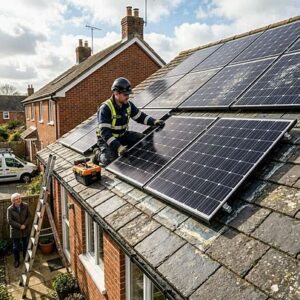
If you have roof space spare, adding panels can lift how much electricity you generate.
The main thing to check is whether your existing inverter can handle the extra capacity, or whether it needs upgrading too. We assess this before recommending anything.
Our guide to adding more solar panels to an existing system covers what’s involved.
Replacing an Ageing Inverter
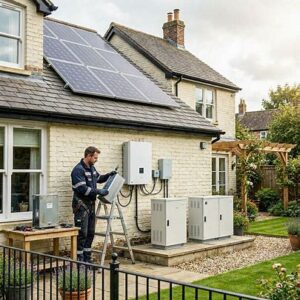
The inverter is the part of a solar system most likely to need replacing during its life — often after around 10–12 years, while the panels keep going.
Signs it may be due include error messages, frequent dropouts, or a noticeable fall in output. A replacement is also a chance to switch to a hybrid inverter that’s ready for a battery.
See our guide on when to replace your solar inverter for the signs to watch for.
Adding Battery Storage to Your System
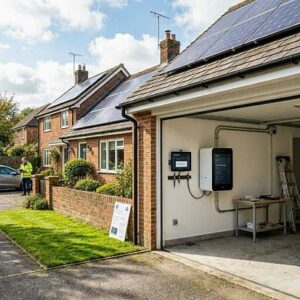
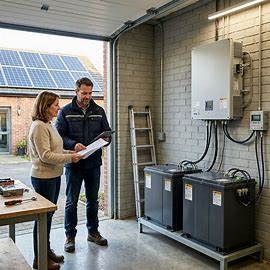
Adding a battery is one of the most popular upgrades. It lets you store surplus solar for the evening instead of exporting it, so you use more of your own power.
You can usually retrofit a battery to an existing system. See our guide to adding a battery to existing solar, or our full solar battery storage guide for costs and sizing.
Upgrading an Old Feed-in Tariff System
The Feed-in Tariff closed to new applicants in 2019, but if you’re still receiving FiT payments, you generally keep them — even after upgrading.
Adding a battery to an older system is a common way to get more value from it. It’s worth checking how any changes affect your existing arrangement, which we can talk through.
Our guide to upgrading an old Feed-in Tariff system explains what changes and what stays the same.
Adding an EV Charger or Going Whole-Home
Solar pairs well with an EV charger, letting you charge your car from your own electricity where possible. See our guide to adding an EV charger to your solar system.
Combining solar, a battery and an EV charger builds towards a whole-home energy system. We design these around how — and when — your household actually uses power. And if your panels themselves are ageing, our guide to replacing old or underperforming panels covers that too.
The takeaway: the best upgrade is the one that fits your system and your goals. We assess what’s worthwhile for your setup as part of a free survey.
Why Choose a Professional Installer?
-
- Compatibility check: we confirm what your existing system can take.
- MCS certification: required to access the Smart Export Guarantee for exported electricity.
- Warranty protection: certified work keeps manufacturer and workmanship warranties valid.
- Grid compliance: changes are notified and tested to current UK standards.
What Happens When You Request a Quote?
-
- Submit the form: tell us about your existing system and what you’d like to improve.
- We review: our team looks at your setup and energy needs.
- Free consultation: we discuss your upgrade options with no obligation.
- Tailored quote: you receive a quote designed around your specific energy needs.
Every property is different. Get a free, no-obligation quote tailored to your home — takes 2 minutes.
Related Guides
Frequently Asked Questions
Can I add more panels to my existing solar system?
Often yes, if you have roof space. The main check is whether your current inverter can handle the extra capacity or needs upgrading too.
How long do solar inverters last?
Inverters often need replacing after around 10–12 years, while the panels typically keep going for 25 years or more.
Will I lose my Feed-in Tariff if I upgrade?
You generally keep existing FiT payments, but it’s worth checking how any changes affect your arrangement before going ahead. We can talk this through.
Last updated: June 2026
Disclaimer: This article is for informational purposes only. Energy savings estimates are based on industry averages and may vary depending on your property, energy usage, system size, and electricity tariff. We recommend obtaining a personalised quote for accurate savings estimates. Energy Solutions NW is part of the Blue Rock Energy network. MCS certified. NICEIC approved.