What Is a Whole-Home Energy System?
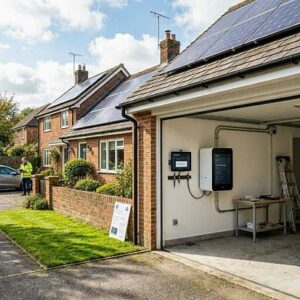
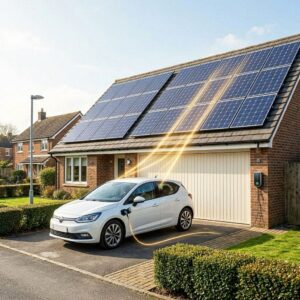
A whole-home energy system combines solar panels, battery storage and EV charging into one connected setup. Panels generate power, the battery stores surplus for later, and the car charges from your own electricity — managed together to make the most of what you generate.💡 Thinking about a joined-up energy setup? Every home is different. Get a free, no-obligation quote tailored to your home — takes 2 minutes.
The Whole-Home Idea
On their own, each part of the system does one job.-
- Solar panels generate electricity during daylight.
- A battery stores surplus generation for use after dark.
- An EV charger turns electricity into miles for your car.
Considering Solar or Battery Storage?
Get a free, no-obligation quote tailored to your property.
How the Parts Work Together
The strength of a whole-home system is in the timing. Solar generates most during the day, but a lot of household demand — and most EV charging — happens in the evening. A battery bridges that gap by storing daytime surplus for later. A typical day might look like this:-
- Daytime: panels power the home; surplus charges the battery, then tops up the car if it’s plugged in.
- Evening: the battery powers the house as generation drops.
- Overnight: the car charges from the battery, or from cheap off-peak grid electricity on a smart tariff.
What Order to Add Things
You don’t have to install everything at once. Many homeowners build up their system over time. A common path is:-
- Solar panels first — the foundation that generates the power.
- EV charger next — if you have an electric car, a solar-compatible charger uses surplus directly.
- Battery when ready — added to store more of your generation and shift it to the evening.
💡 Building up your system in stages? Every home is different. Get a free, no-obligation quote tailored to your home — takes 2 minutes.
Smart Tariffs and Control
Hardware is only half the picture — how you run it matters too. A time-of-use electricity tariff charges different rates at different times of day, with cheap overnight rates. Paired with a battery, you can store low-cost off-peak electricity to use during expensive peak hours — and charge the car overnight on the cheaper rate. This is especially useful in winter, when there’s less solar generation to go round. Our guide to battery storage with time-of-use tariffs explains how this works. Many modern systems also include monitoring apps, letting you see generation, storage and charging in one place.Is It Worth It?
A full solar, battery and EV setup is a bigger investment than any single part, so whether it adds up depends on your situation. It tends to make most sense when:-
- You already drive an EV — or plan to — so home charging is a regular cost.
- You use a fair amount of electricity at home, especially in the evening.
- You want to maximise self-consumption rather than export surplus cheaply.
Where to Start
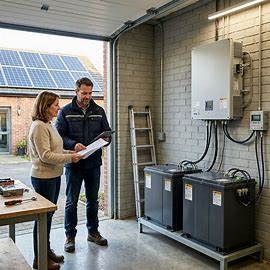
The best starting point is a proper assessment of your home. An installer will look at your roof, your electricity use, whether you have or want an EV, and your budget — then design a system that can grow over time if you’d rather phase it. Designing it as a whole from the outset — even if you build it in stages — avoids buying components that don’t talk to each other later.Why Choose a Professional Installer?
-
- Joined-up design: components chosen to work together, not bolted on separately.
- Proper sizing: solar, battery and charger matched to your actual usage.
- MCS certification: keeping your system and export arrangements in order.
- Grid compliance: correct notification to your network operator where needed.
What Happens When You Request a Quote?
-
- Submit the form: tell us what you have and what you’re aiming for.
- We review: our team looks at your setup and requirements.
- Free consultation: we discuss your options with no obligation.
- Tailored quote: you receive a solution designed around your specific needs.
💡 Ready to design your whole-home setup? Every home is different. Get a free, no-obligation quote tailored to your home — takes 2 minutes.
Related Guides
Frequently Asked Questions
Do I need to install solar, battery and EV charging all at once?
No. Many homeowners add components over time — often solar first, then an EV charger, then a battery. The key is designing it as a whole from the start so later additions work together cleanly.Why add a battery if I have solar and an EV charger?
Most EV charging happens in the evening, when panels aren’t generating. A battery stores daytime surplus so it can power the home and car after dark, reducing how much you import from the grid.Does a whole-home system work better with a smart tariff?
Often, yes. A time-of-use tariff lets a battery store cheap off-peak electricity for use at peak times and charge the car overnight at a lower rate — useful in winter when there’s less solar to go round.Is a full solar, battery and EV system worth it?
It depends on your usage, budget and whether you drive an EV. It tends to suit homes with regular EV charging and decent evening electricity use. Savings vary by property, so a personalised assessment is the only reliable guide. Last updated: June 2026Disclaimer: This article is for informational purposes only. Energy savings estimates are based on industry averages and may vary depending on your property, energy usage, system size, and electricity tariff. We recommend obtaining a personalised quote for accurate savings estimates. Energy Solutions NW is part of the Blue Rock Energy network. MCS certified. NICEIC approved.