Updated: June 2026 • Energy Solutions NW
Adding an EV Charger to Solar
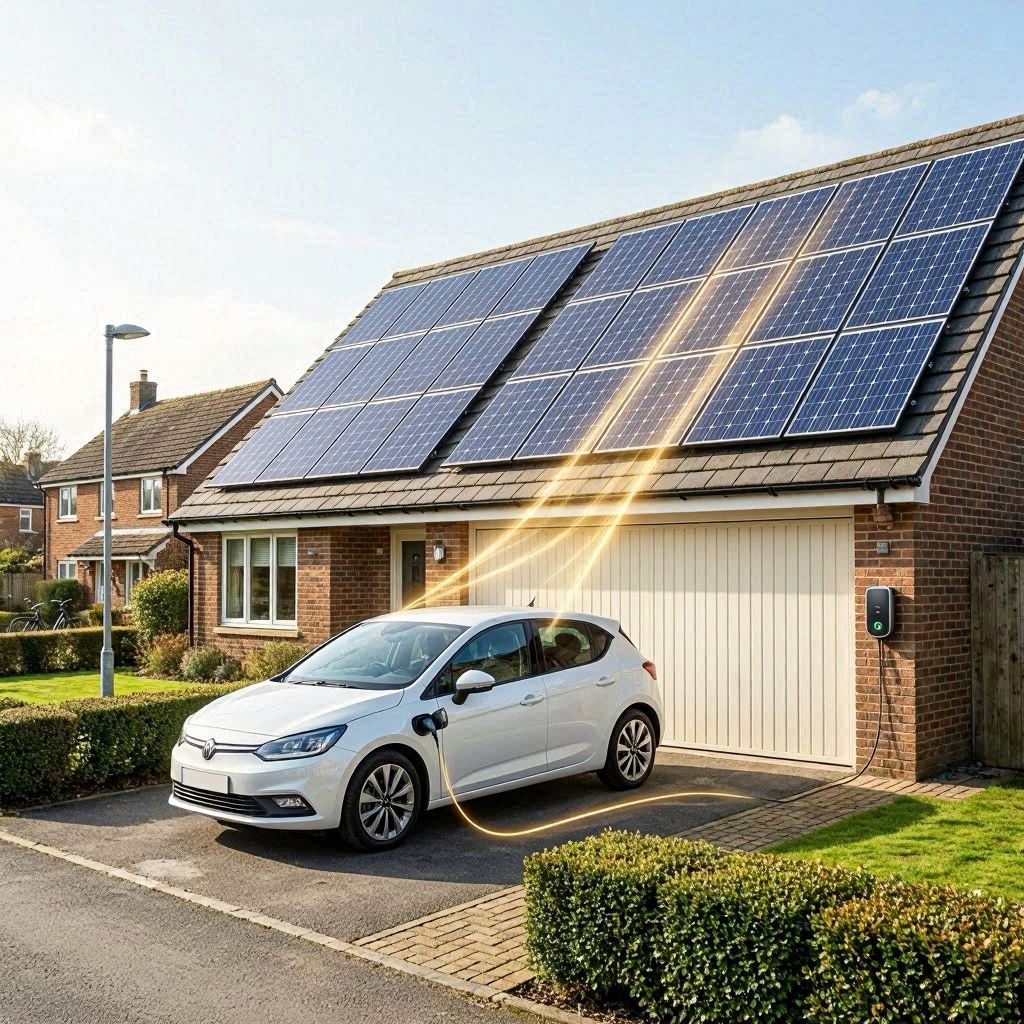
A solar-compatible EV charger uses surplus electricity from your panels to charge your car instead of exporting it to the grid. Often called solar diversion, it lets you run your EV on home-generated power, lowering charging costs and making better use of what your panels produce.
This guide covers adding an EV charger to a solar system — how solar diversion works, charger choices, and battery pairing — for NW homeowners.
Pairing an electric car with solar panels is one of the most popular upgrades we’re asked about across Manchester, Yorkshire and Lancashire.
The appeal is simple: daytime sunshine that would otherwise be exported cheaply can instead top up your car. This guide focuses on the solar-and-EV combination — for the basics of home charging itself, our EV charger installation guide covers the full picture.
💡 Want to charge your EV from your own roof? Every system is different. Get a free, no-obligation quote tailored to your home — takes 2 minutes.
Solar Panels and EV Charging Together
If you already have solar panels, adding an EV charger is a natural next step.
When your panels generate more than the house is using, that surplus is normally exported to the grid for a small payment under the Smart Export Guarantee.
A solar-compatible charger can capture that surplus and send it to your car instead — using your own electricity rather than paying to import from the grid.
Because exported electricity typically earns only a few pence per unit while imported electricity costs considerably more, using your own generation to charge can make better financial sense than exporting it.
Considering Solar or Battery Storage?
Get a free, no-obligation quote tailored to your property.
How Solar Diversion Works
Solar diversion is the feature that makes the combination work.
A small sensor (often called a CT clamp) is fitted at your meter or consumer unit. It watches the flow of electricity and tells the charger when your panels are producing more than the home needs.
Most solar-compatible chargers then offer a few modes:
-
- Solar-only: the car charges purely from surplus solar, pausing when generation drops.
- Solar-plus-grid: uses available surplus, topping up from the grid to keep charging steady.
- Fast/standard: charges at full speed from the grid regardless of solar — useful when you need the car ready quickly.
Without solar diversion, you’d have to start and stop charging manually to catch sunny spells — which is impractical day to day.
Solar-Compatible EV Chargers
Not every home charger supports solar diversion, so the choice of unit matters.
Several established brands offer genuine solar integration, typically through a CT clamp or direct communication with your inverter. Well-known options in the UK include myenergi Zappi, Hypervolt, Ohme and the GivEnergy charger, among others.
When choosing, the key things to look for are:
-
- True solar diversion: a dedicated surplus-only mode, not just scheduled charging.
- Compatibility: works with your inverter brand, or via a universal CT clamp.
- Smart tariff support: handy if you also want cheap overnight grid charging in winter.
- Battery integration: useful if you have, or plan to add, home battery storage.
We’ll always specify a charger suited to your particular inverter and setup as part of a quote, rather than a one-size-fits-all unit.
Adding a Battery to the Mix
Solar and an EV charger work well together, but there’s a catch: most EV charging happens in the evening or overnight, when the panels aren’t producing.
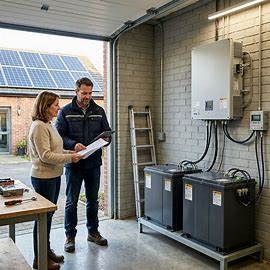
A home battery helps bridge that gap. It stores daytime surplus so it can be used to charge the car after dark, rather than relying on grid import.
This makes solar, battery and EV a popular whole-home combination — though whether a battery is worthwhile depends on your usage and budget. Our battery storage guide explains the trade-offs.
💡 Thinking about solar, battery and EV together? Every home is different. Get a free, no-obligation quote tailored to your home — takes 2 minutes.
Grants and Costs
A home EV charger typically costs from a few hundred pounds upwards installed, depending on the unit and your property’s wiring.
A government EV chargepoint grant is available, but the eligibility rules are specific. As of 2026 it is aimed at renters and flat owners with off-street parking rather than homeowners with a private driveway, and an OZEV-approved installer applies on your behalf.
For a fuller breakdown of charger pricing and what affects it, see our EV charger installation guide.
Adding a Charger to an Existing Solar System
You don’t need to have installed your panels recently to add EV charging.
Most existing solar systems can have a solar-compatible charger added, as long as there’s capacity and the inverter or meter can be fitted with a CT clamp.
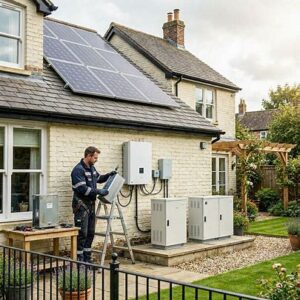
An installer will check a few things first: your consumer unit, available capacity, the position of the charge point, and whether your network operator needs to be notified.
If you’re considering wider improvements at the same time, our guide to upgrading your solar system covers panels, inverters and batteries together.
Why Choose a Professional Installer?
-
- Correct setup: solar diversion configured properly with your inverter.
- Compatibility: a charger matched to your existing system, not bolted on blind.
- MCS certification: keeping your solar and export arrangements in order.
- Grid compliance: proper notification to your network operator where needed.
What Happens When You Request a Quote?
-
- Submit the form: tell us about your solar system and your car.
- We review: our team looks at your setup and requirements.
- Free consultation: we discuss your options with no obligation.
- Tailored quote: you receive a solution designed around your specific needs.
💡 Ready to charge your car from your roof? Every system is different. Get a free, no-obligation quote tailored to your home — takes 2 minutes.
Related Guides
Frequently Asked Questions
Can I charge my EV from my solar panels?
Yes, with a solar-compatible charger. It detects surplus solar that would otherwise be exported and diverts it to your car, so you can charge using your own home-generated electricity when the sun is out.
Do I need a special EV charger to use solar?
Yes. Only chargers with solar diversion can automatically use surplus solar. A standard charger draws from the grid regardless, so it’s worth specifying a solar-compatible model if charging from your panels matters to you.
Can I add an EV charger to an existing solar system?
In most cases, yes. A solar-compatible charger can usually be added to an existing system, provided there’s spare capacity and a CT clamp can be fitted. An installer will assess your setup first.
Is it worth adding a battery as well?
It can be, because most EV charging happens after dark when panels aren’t generating. A battery stores daytime surplus for evening charging. Whether it’s worthwhile depends on your usage, budget and how often you charge at home.
Last updated: June 2026
Disclaimer: This article is for informational purposes only. Energy savings estimates are based on industry averages and may vary depending on your property, energy usage, system size, and electricity tariff. We recommend obtaining a personalised quote for accurate savings estimates. Energy Solutions NW is part of the Blue Rock Energy network. MCS certified. NICEIC approved.