Updated: June 2026 • Energy Solutions NW
Are Solar Batteries Worth It in the UK?
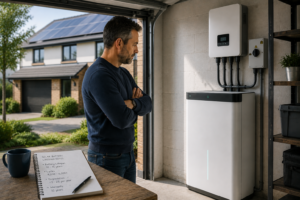
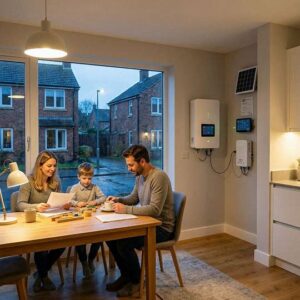
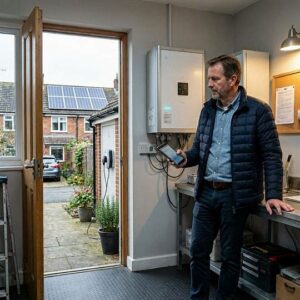
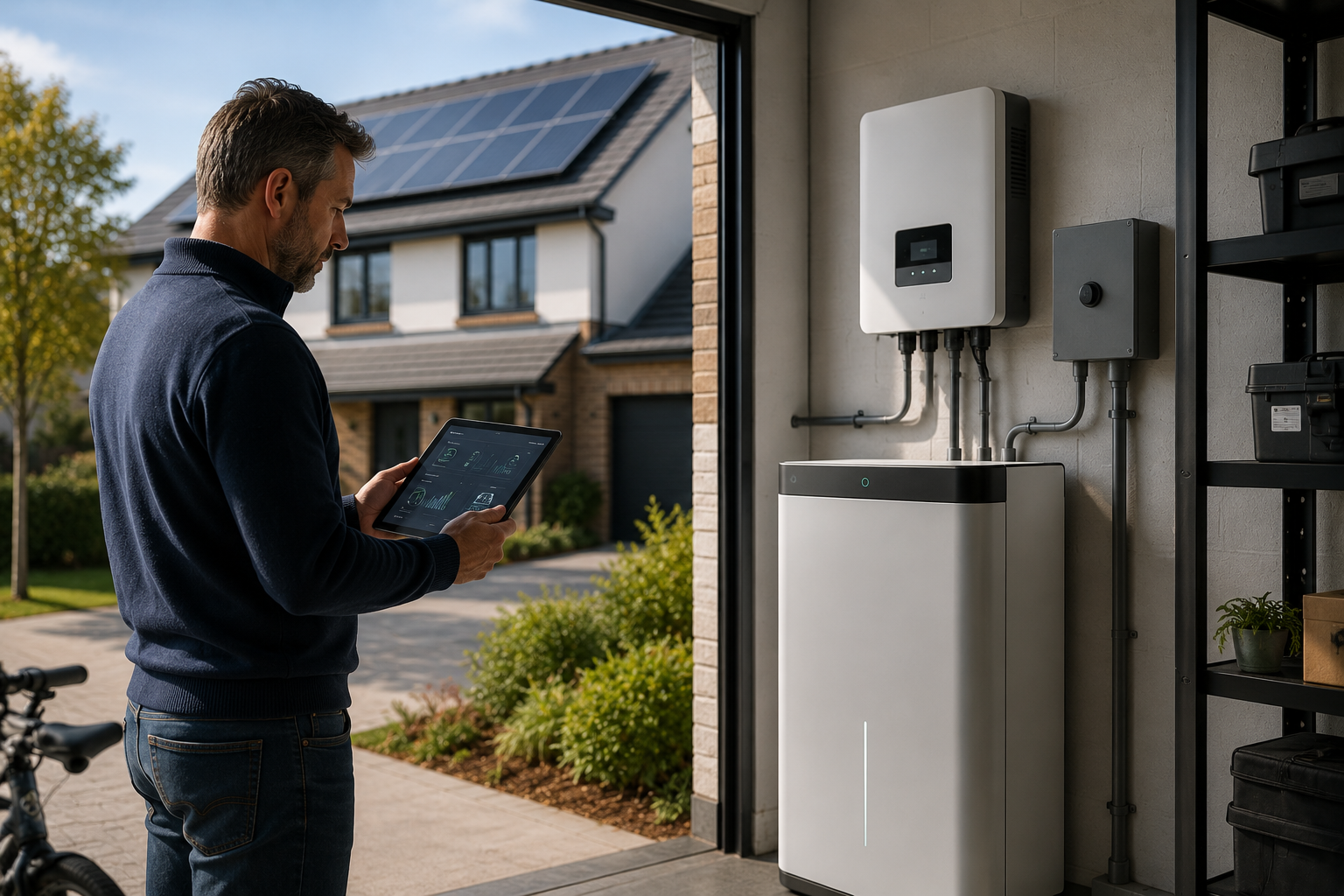
Solar battery storage lets you store electricity your panels generate by day to use at night. For many UK homes it’s worth it — especially if you’re out during the day, have an EV or heat pump, or use a time-of-use tariff. Savings depend on your usage.
This guide covers solar battery storage costs, sizing, lifespan, safety and the savings for homeowners right across the North West and the wider UK.
Battery storage is the fastest-growing part of the UK solar market, and it’s a common question for homes across Manchester, Lancashire and Yorkshire. Below, we answer what people ask most — honestly, and in plain English.
Every property is different. Get a free, no-obligation quote tailored to your home — takes 2 minutes.
Is Solar Battery Storage Worth It in the UK?
For many homes, yes — but not all. A battery makes the strongest case in some situations more than others.
The core benefit is using more of your own free solar electricity. Without a battery, most homes export a large share of what they generate; with one, that surplus is stored for the evening instead.
A battery tends to be most worthwhile if you:
-
- Are out during the day, so much of your solar would otherwise be exported.
- Have an EV or heat pump, which lift your evening and overnight demand.
- Use a time-of-use tariff, letting you also store cheap off-peak electricity.
It’s a weaker case if you’re home most of the day and already use most of your solar as it’s generated. Adding a battery also extends your overall payback period, so it’s a longer-term investment — savings depend on your usage and tariff.
Considering Solar or Battery Storage?
Get a free, no-obligation quote tailored to your property.
How Much Does Battery Storage Cost in the UK?
Most home batteries cost somewhere in the region of £2,500–£6,000 installed, depending on size and brand. Capacity is the biggest single factor.
-
- Smaller batteries (around 3–5 kWh): suit smaller households or flats with modest evening use.
- Medium batteries (around 5–10 kWh): the typical choice for most three-bedroom homes.
- Larger or stacked systems: for higher-usage homes, EVs or heat pumps.
Installing a battery at the same time as panels often keeps costs down, as the system is designed together.
0% VAT: Battery storage installed alongside solar — or retrofitted to existing panels — currently carries 0% VAT until 31 March 2027, after which it is set to return to 5%. Based on current UK rules.
Prices vary with your property and the equipment chosen, so the best guide is a personalised quote. For a full breakdown, see our solar battery cost guide.
What Size Battery Do I Need for My Home?
For most UK households, a battery of around 5–10 kWh is the sweet spot. It’s usually enough to cover an evening’s lighting, cooking and appliances after the sun goes down.
The right size for you comes down to a few things:
-
- Your electricity usage: higher daily use points to more storage.
- Your solar output: the battery should fit what your panels can spare during the day.
- Winter evenings: ideally it covers your evening use when daytime generation is low.
- An EV or heat pump: these raise demand and often justify a larger battery.
Many modern batteries are modular, so you can start smaller and add capacity later. Our battery sizing guide goes into more detail.
How Long Do Solar Batteries Last?
Most home solar batteries come with around a 10-year warranty, and many keep working beyond that. Like any battery, capacity gradually reduces over time.
Warranties usually state how much capacity the battery should retain by the end of the term, so it’s worth checking that figure when you compare options. Our solar battery lifespan guide covers this in full.
What Is the 40-80 Rule for Lithium Batteries?
It’s a rule of thumb that lithium batteries last longer if kept roughly between 40% and 80% charge, rather than constantly run flat or held at full.
In practice, you don’t manage this yourself. A home battery’s built-in management system handles charge limits automatically, and usable capacity is already set with longevity in mind.
Do Solar Batteries Work in a Power Cut?
Only if the system is set up for it. A standard battery normally shuts down in a power cut for safety, the same as your solar panels do.
To keep power during an outage you need a battery with a backup function (sometimes called “islanding”) and the right installation. Even then, backup usually powers selected circuits rather than the whole home, and for a limited time based on the battery’s charge.
If blackout protection matters to you, tell us — we’ll design around it. Our guide to batteries in a power cut explains backup in detail.
Can You Add a Battery to Existing Solar Panels?
Yes. You can add a battery to a solar system you already have — it’s one of the most common upgrades we’re asked about.
A retrofit needs a compatible inverter, or an additional battery inverter, depending on your current setup. It usually costs a little more than fitting a battery and panels together, but it’s a straightforward way to get more from solar you’ve already paid for. See our guide to adding a battery to existing solar for what’s involved.
Are Home Batteries Safe? Downsides to Know
Modern home batteries are designed with safety in mind, and serious problems are rare. It’s still fair to weigh the drawbacks before you commit:
-
- Upfront cost: a battery adds to your outlay and lengthens overall payback.
- Space: batteries need a suitable location, ideally away from main living areas.
- Fire risk is low but not zero: good installation and siting are what keep it that way.
On safety standards, there’s helpful UK guidance. PAS 63100 is best-practice fire-safety guidance for home batteries — it isn’t a legal requirement, but a good installer follows it, chiefly on where to site the battery.
The UK wiring regulations (BS 7671) were also updated in 2026 to add a dedicated section for home battery storage. A reputable MCS certified installer designs to these standards as a matter of course.
Worth knowing: Where a battery can safely go varies by property. We assess the right location for your home as part of a free survey, in line with current UK guidance.
Battery Storage vs the Smart Export Guarantee
With solar, surplus electricity can either be stored in a battery for later, or exported to the grid for payment under the Smart Export Guarantee (SEG).
A battery shifts the balance towards using your own power. You export less — so you earn a little less from SEG — but you buy less expensive electricity from the grid in the evenings.
Which works out better depends on your import tariff versus your export rate — our guide on battery storage vs the Smart Export Guarantee covers this in detail. A battery also helps you make the most of time-of-use tariffs.
Why Choose a Professional Installer?
A professional, accredited install protects both your home and your investment:
-
- MCS certification: required to access the Smart Export Guarantee for exported electricity.
- Warranty protection: certified installations keep manufacturer and workmanship warranties valid.
- Safe siting & design: your battery is sized and located in line with current UK guidance.
- Grid compliance: connections are notified and tested to current UK standards.
What Happens When You Request a Quote?
-
- Submit the form: tell us a few details about your home and what you’re looking for.
- We review: our team looks at your property and energy needs.
- Free consultation: we discuss your options with no obligation.
- Tailored quote: you receive a quote designed around your specific energy needs.
Every property is different. Get a free, no-obligation quote tailored to your home — takes 2 minutes.
Related Guides
Frequently Asked Questions
Is there VAT on solar batteries in the UK?
Battery storage installed alongside solar, or retrofitted to existing panels, currently carries 0% VAT until 31 March 2027, after which it is set to return to 5%. Based on current UK rules.
Do I need solar panels to have a battery?
No. A battery can be installed on its own and charged with cheaper off-peak grid electricity using a time-of-use tariff, though most homeowners pair it with solar panels.
Can a solar battery power my whole house?
It can power your home for a period, but how long depends on the battery’s size and your usage. Larger or stacked batteries store more — we size yours around your needs.
Last updated: June 2026
Disclaimer: This article is for informational purposes only. Energy savings estimates are based on industry averages and may vary depending on your property, energy usage, system size, and electricity tariff. We recommend obtaining a personalised quote for accurate savings estimates. Energy Solutions NW is part of the Blue Rock Energy network. MCS certified. NICEIC approved.