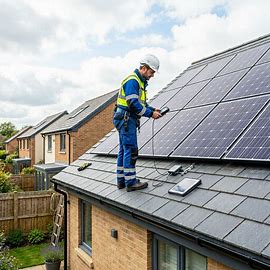
What Is Solar Panel Bird-Proofing?
Bird-proofing fits a barrier — usually mesh clipped around the panel edges — to stop pigeons nesting in the warm gap beneath your solar panels. It blocks access while keeping airflow, protecting output, gutters and the roof from droppings and nesting damage.💡 Pigeons under your panels? Every roof is different. Get a free, no-obligation quote tailored to your home — takes 2 minutes.
Why Birds Target Solar Panels
The appeal is simple, from a pigeon’s point of view. The space between the panels and the roof is warm, dry, shaded and protected from weather and predators — a near-perfect nesting spot. Pigeons in particular take to it, and they breed through much of the year in the UK. Once one pair settles in, others often follow, and the problem tends to grow rather than go away on its own.Considering Solar or Battery Storage?
Get a free, no-obligation quote tailored to your property.
The Problems They Cause
Nesting birds are more than a nuisance — they can affect your system and your roof.-
- Lower output: droppings on the panels are acidic and block light, reducing generation.
- Hot spots: nesting material blocks airflow under the panels, which can cause overheating.
- Blocked gutters: debris and droppings wash down and clog drainage, risking water damage.
- Roof and wiring damage: birds can disturb cabling and connectors, and droppings can corrode over time.
- Mess and noise: a persistent disturbance, and dried droppings are a hygiene concern.
Bird-Proofing Methods
The aim is to deter birds humanely — blocking access without harming them.-
- Mesh (most common): galvanised steel or plastic mesh clipped around the panel edges, blocking the gap while keeping airflow. Non-intrusive and removable.
- Bird spikes: deter roosting on edges and surrounding surfaces.
- Solar skirts: a clip-on guard that seals the perimeter for a neat finish.
💡 Want it cleared and proofed properly? Every roof is different. Get a free, no-obligation quote tailored to your home — takes 2 minutes.
How Much Does Bird-Proofing Cost?
For a typical home, retrofitting bird-proofing usually costs in the region of £400–£800, depending on system size, roof access and the method used. The cost reflects more than the mesh itself: clearing existing nests and droppings, and safe roof access (sometimes scaffolding), make up much of it. It’s far cheaper to fit bird-proofing at the same time as the panels — often a smaller add-on while scaffolding is already up — than to retrofit after birds have moved in and caused damage.DIY or Professional?
Bird-proofing is best left to a professional, for a few reasons. The work is at roof height, around live cabling, isolators and mounting brackets — so it carries both fall and electrical risks. A specialist knows how to fit mesh securely without damaging panels or disturbing the wiring, and how to avoid affecting your warranty. A neat, correctly fitted barrier also lasts longer and looks tidier than a DIY attempt — important when it’s on show across your roof.Preventing the Problem
A little prevention saves a lot of mess.-
- Proof at installation if you’re in a high-bird area — it’s much cheaper than retrofitting.
- Check the mesh yearly: high winds can dislodge clips and create gaps birds soon find.
- Act early: dealing with the first signs of nesting is far easier than a settled colony.
Why Choose a Professional Installer?
-
- Safe access: proper equipment for roof-height work.
- System care: mesh fitted without disturbing cabling or panels.
- Humane approach: deterrents that block access without harming birds.
- MCS certified installations: work to recognised standards.
What Happens When You Request a Quote?
-
- Submit the form: tell us about your panels and the bird problem.
- We review: our team looks at your setup and requirements.
- Free consultation: we discuss your options with no obligation.
- Tailored quote: you receive a solution designed around your specific needs.
💡 Ready to sort the pigeons? Every roof is different. Get a free, no-obligation quote tailored to your home — takes 2 minutes.
Related Guides
Frequently Asked Questions
Why do pigeons nest under solar panels?
The gap between the panels and roof is warm, dry, shaded and protected from predators — ideal for nesting. Pigeons especially take to it, and because they breed through much of the year in the UK, the problem tends to grow if left.Do birds under solar panels reduce output?
They can. Droppings are acidic and block light, while nesting material restricts airflow and can cause hot spots. Combined with blocked gutters and possible wiring damage, nesting birds can noticeably affect a system over time.How much does bird-proofing solar panels cost?
Retrofitting typically costs around £400–£800, depending on system size, roof access and method. Clearing existing nests and safe access make up much of the cost. Fitting it during the original installation is considerably cheaper.Is bird-proofing harmful to the birds?
No. Proper bird-proofing is humane — mesh, spikes or skirts simply block access to the gap rather than harming birds. A professional clears any existing nest first and fits a barrier that deters birds without hurting them. Last updated: June 2026Disclaimer: This article is for informational purposes only. Energy savings estimates are based on industry averages and may vary depending on your property, energy usage, system size, and electricity tariff. We recommend obtaining a personalised quote for accurate savings estimates. Energy Solutions NW is part of the Blue Rock Energy network. MCS certified. NICEIC approved.